After a very successful academic year and all the final celebrations from last week, we are now resting a few days before we leave Bucharest and go ahead with our plans for another long Holiday!
We wish all of you a wonderful summer Holiday!
After a very successful academic year and all the final celebrations from last week, we are now resting a few days before we leave Bucharest and go ahead with our plans for another long Holiday!
We wish all of you a wonderful summer Holiday!



Because we have the students in grade 8 finishing this year and we talked so much about what paths they could choose in life, I consider the next book as being an eye-opening and I like to present it here:
It is Matthew Crawford’s book, “The case for working with your hands” which is just meant to invite us to reflect especially when we have to guide our children to fulfill their life’s purpose (the best we can).
Matthew has a small business as a motorcycle mechanic in Richmond, Va., which he started in 2002.
After finishing a Ph.D. in political philosophy at the University of Chicago in 2000, he stayed on with a one-year postdoctoral fellowship at the university’s Committee on Social Thought. The academic job he had didn’t give him any pleasure, therefore he quit and did what he liked instead.
Below, there is an excerpt from his book:
“High-school shop-class programs were widely dismantled in the 1990s as educators prepared students to become “knowledge workers.” The imperative of the last 20 years to round up every warm body and send it to college, then to the cubicle, was tied to a vision of the future in which we somehow take leave of material reality and glide about in a pure information economy. This has not come to pass. To begin with, such work often feels more enervating than gliding. More fundamentally, now as ever, somebody has to actually do things: fix our cars, unclog our toilets, build our houses.
This seems to be a moment when the useful arts have an especially compelling economic rationale. A car mechanics’ trade association reports that repair shops have seen their business jump significantly in the current recession: people aren’t buying new cars; they are fixing the ones they have. The current downturn is likely to pass eventually. But there are also systemic changes in the economy, arising from information technology, that have the surprising effect of making the manual trades — plumbing, electrical work, car repair — more attractive as careers. The Princeton economist Alan Blinder argues that the crucial distinction in the emerging labor market is not between those with more or less education, but between those whose services can be delivered over a wire and those who must do their work in person or on site. The latter will find their livelihoods more secure against outsourcing to distant countries. As Blinder puts it, “You can’t hammer a nail over the Internet.” Nor can the Indians fix your car. Because they are in India.
If the goal is to earn a living, then, maybe it isn’t really true that 18-year-olds need to be imparted with a sense of panic about getting into college (though they certainly need to learn). Some people are hustled off to college, then to the cubicle, against their own inclinations and natural bents, when they would rather be learning to build things or fix things. One shop teacher suggested to me that “in schools, we create artificial learning environments for our children that they know to be contrived and undeserving of their full attention and engagement. Without the opportunity to learn through the hands, the world remains abstract and distant, and the passions for learning will not be engaged.”
A gifted young person who chooses to become a mechanic rather than to accumulate academic credentials is viewed as eccentric, if not self-destructive. There is a pervasive anxiety among parents that there is only one track to success for their children. It runs through a series of gates controlled by prestigious institutions. Further, there is wide use of drugs to medicate boys, especially, against their natural tendency toward action, the better to “keep things on track.” It is a rare person, male or female, who is naturally inclined to sit still for 17 years in school, and then indefinitely at work.
The trades suffer from low prestige, and I believe this is based on a simple mistake. Because the work is somehow dirty, many people assume it is also stupid……..”
more: The case for working with your hands or Why Office work is bad for us and fixing things feels good
Saptamana aceasta pe data de 8 iunie s-a tinut in amfiteatrul scolii festivalul de pian organizat de Miss Rodica.
Elevii scolii, iubitori de muzica, si-au aratat talentul in fata publicului.Multumim mult si stim ca ati depus multa munca pentru asta.
passel
=a large number or amount
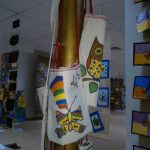
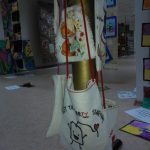
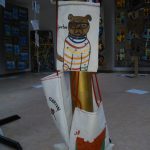
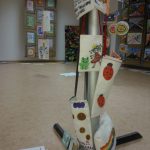
As you know, we have an amazingly beautiful Art Exhibition in our school , open until 17th of June. We encourage you to visit it.
Just to have a glimpse of it, we post here a few photos :
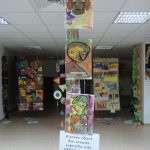
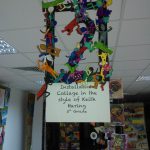
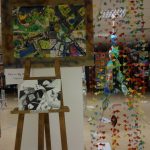
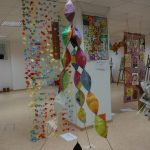
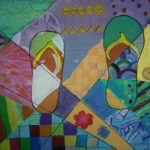
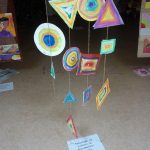
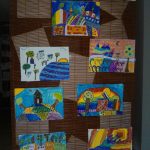
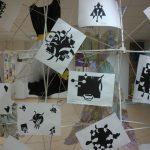
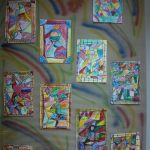
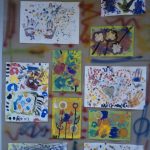
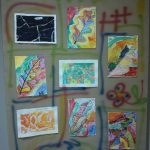

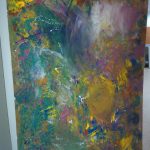
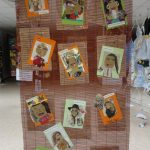
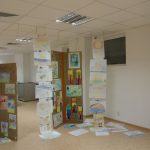
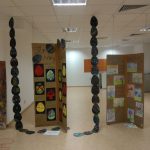
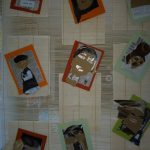
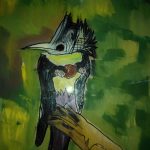

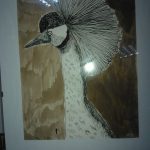
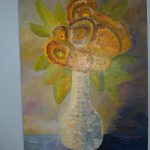

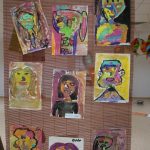
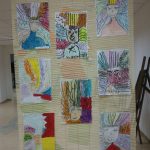
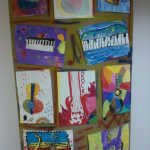
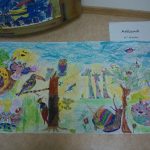
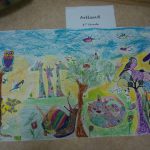
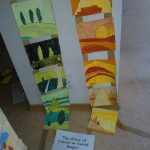
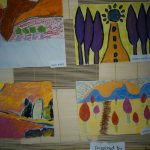
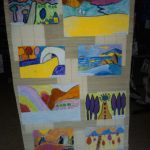
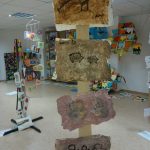
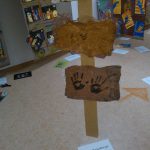
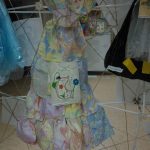
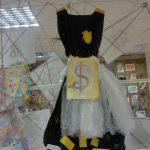

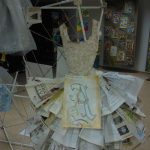
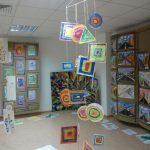
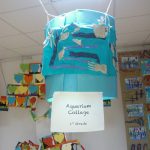
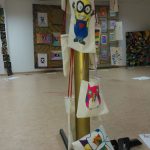
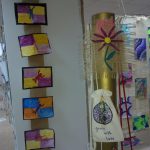
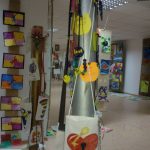
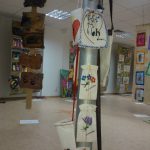
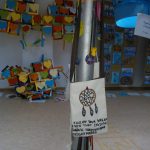

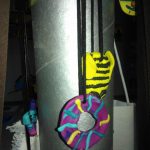
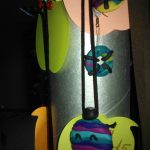
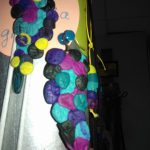
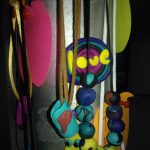
or see it as a video (coming soon) 🙂
Just a video ….to inspire you for a moment or two.
Dragi colegi,
Dorim sa va transmitem toate gandurile noastre cele mai frumoase acum in preajma sfarsitului de gimnaziu.Am avut cea mai frumosa experienta impreuna pentru care va multumim.
Mesaj scris de Maria Grigore ( din contul lui Eli) in numele tuturor elevilor din clasa a VIII-a
If you have problems with Computer Terminology, check this PDF ( done by me, Robert Iugulescu , for my colleagues) :